
ECHO OF LIFE
Decades after humanity’s collapse, a damaged synthetic prototype awakens alone in the ruins of a silent city. With fragmented memories and an unstable consciousness, he begins reconstructing his humanity through emotional echoes left behind in the world. Leading him toward the woman he once loved, and the possibility of becoming human again.
Format Overview
> EPISODE LENGTH: ~50 Minutes
> GENRE: Philosophical Sci-Fi / Post-Apocalyptic Drama
> TARGET AUDIENCE: 18-49; Fans of elevated, atmospheric science fiction (A24, NEON aesthetics).
Short Synopsis
In the aftermath of civilization’s collapse, an experimental synthetic reconstruction unit unexpectedly awakens in the wreckage of an abandoned transport route.
Known only as UNIT_01 // ADAM, he emerges into a quiet world suspended between decay and survival. Empty streets, flickering infrastructure, abandoned apartments, and the lingering traces of human existence.
With most of his memory corrupted, he wanders aimlessly through the city until contact with human remains triggers fragmented flashes of a past life: a laboratory, a human woman named Vera, and a place connected to him emotionally, Apartment 403.
As his memories slowly return, his synthetic body begins transforming in response to emotional and sensory experiences. Skin forms where connection is rediscovered. Human expression emerges where emotion is recovered.
Guided by fragments of memory, environmental echoes, and a growing emotional awareness, Adam searches for Vera and uncovers the remnants of Project Echo, an abandoned experiment attempting to preserve human consciousness inside synthetic vessels after the collapse of civilization.
But the deeper he reconnects with memory, touch, companionship, grief, and love, the more he realizes that humanity was never about biology alone. It was about connection.
The World & Project Echo
The world did not end in a singular catastrophe. Civilization slowly collapsed over decades through environmental destabilization, infrastructure breakdown, social fragmentation, resource shortages, displacement, and institutional failure. Humanity technologically advanced faster than it emotionally evolved.
By the end, governments and organizations became desperate to preserve consciousness itself. One of the final experimental programs was: PROJECT ECHO.
A controversial reconstruction initiative attempting to preserve human consciousness inside synthetic adaptive vessels until the world stabilized enough for human life to return. The project was never completed. Most facilities were abandoned. Funding disappeared. The remaining units were ordered to be dismantled and destroyed after repeated failed tests.
But two human researchers, Elias Voss and Vera Kain, continued working illegally inside one of the abandoned underground facilities. Not to become immortal, but only to leave behind the possibility that humanity itself might survive in some form. The story of Echo of Life is not about the humans who died. It is about the synthetic vessels carrying their echoes, waking up to a silent world.
The Hosts
The emotional weight of the series rests almost entirely on two deeply internal, physically demanding performances.
ADAM
In his past life, the human Elias was a clinical, dedicated scientist who poured his life into the upload project to preserve humanity. As a synthetic vessel, “Adam” wakes up a blank slate.
His arc is the literal and metaphorical reconstruction of a man learning how to feel again. His performance shifts from rigid, mechanical logic to fluid, deeply vulnerable humanity. As he uncovers fragments of Elias’s life, his physical framework, an adaptive bio-vessel, slowly synthesizes organic tissue in direct response to touch, grief, and emotional stimulation.
EVE
The emotional anchor of the original project. It was the human Vera who realized that consciousness requires sensory connection, not just data. She was the warmth to Elias’s clinical drive.
Her synthetic counterpart was left behind in a sealed pod in Vault B, becoming the driving force behind Adam’s awakening and his ultimate destination. Through flashbacks and video logs of the original humans, she provides the narrative breadcrumbs, exploring the desperation and deep love that drove them to sacrifice everything for a chance at surviving together.
Narrative Structure
The series follows Adam’s gradual reconstruction through emotional and sensory experience. His transformation is not driven by technology alone. It is driven by emotional reconnection. Each stage of the story restores another part of his humanity.
Darkness. A corrupted initialization sequence begins. Decades after the collapse, atmospheric sensors finally detect livable conditions, quietly triggering a long-dormant automatic boot sequence. UNIT_01 // ADAM awakens alone in the wreckage of a crashed transport convoy somewhere far from the underground facility where Project Echo originated.
He wanders through the abandoned city mechanically and without purpose. Everything feels emotionally dead. Then he discovers human skeletal remains near a destroyed vehicle. When he touches the skull, fragmented memories violently begin resurfacing: laboratory lights, typing hands, a woman laughing, upload procedures, a building, a door, 403.
For the first time, something inside him longs for meaning. His synthetic face begins subtly forming organic skin beneath damaged metal. At the end of the episode, Elias recognizes the silhouette of a distant apartment building matching the memory fragment.
> DIRECTIVE: UNKNOWN
> UPDATING…
> PRIMARY DIRECTIVE: FIND APT 403
Adam reaches Apartment 403. Inside, he discovers fragments of his host’s former life: photographs, notes, coffee cups, abandoned routines, dust-covered objects frozen in time. The apartment belonged to both the human Elias and Vera. The memories become more personal.
He discovers recordings revealing Project Echo and realizes that Elias and Vera volunteered themselves as test subjects during civilization’s final decline. For the first time, he experiences emotional attachment. His chest and neck begin reconstructing organic tissue.
Before leaving the apartment, he experiences cold physically for the first time. He takes Elias’ old coat. Not because he fully understands comfort yet — but because something inside him now seeks warmth.
> MEMORY FRAGMENT: RECOVERED
> UPDATING…
> NEW DIRECTIVE: FIND VERA
Now driven by emotional purpose rather than programming, Adam searches for Vera. As he moves deeper through the city, he encounters signs of life continuing without humanity: birds, insects, small surviving ecosystems.
A butterfly lands on his hand. For the first time, Adam carefully adjusts his movement to avoid harming something fragile. The butterfly flies away and lands gently on the remains of a dead dog nearby. Adam approaches slowly. He touches the animal’s remains. A new emotional response emerges: companionship.
For the first time, his face subtly emotes. His fingertips and arms synthesize more human sensory tissue. The world begins feeling alive again.
> EMOTIONAL RECONSTRUCTION: ACTIVE
> DIRECTIVE: FIND VERA
Adam discovers the abandoned underground Project Echo facility. Emergency systems flicker weakly back online. Inside the archives, he accesses Vera’s final recorded message.
Through fragmented recordings and corrupted logs, the truth emerges: The project had failed repeatedly, and the facility was abandoned. But the human Elias and Vera continued working illegally in secret, successfully uploading their consciousness into the adaptive bio-vessels. However, before they could awaken, the government raided the facility to destroy the rogue prototypes. Unit_01 was loaded onto a transport to be scrapped, but the final societal collapse hit before it reached its destination.
The convoy crashed, the humans perished, and Unit_02 (Eve) was simply forgotten, left locked and dormant in Vault B. At the end of the episode, Adam finally remembers Vera completely. Her face. Her voice. Her final promise: “Find me.”
> TARGET IDENTIFIED: VAULT B
> UPDATING…
> DIRECTIVE: REACH UNIT_02
Adam descends further underground. He finds UNIT_02 // EVE. Vera’s synthetic vessel remains dormant and incomplete. Adam desperately attempts to reactivate her systems. At first, nothing works.
As his memories and emotions fully stabilize, his own reconstruction rapidly accelerates. He overrides failing systems and manually completes Vera’s activation sequence using everything he has recovered emotionally and neurologically.
For the first time, he acts selflessly. Not because of programming. Because of love. Vera awakens.
> STATUS: DORMANT
> UPDATING…
> DIRECTIVE: INITIATE AWAKENING PROTOCOL
Vera and Adam reconnect in silence. No grand exposition. No saving the world. Only presence. Their bodies continue transitioning toward full biological reconstruction as their emotional synchronization stabilizes.
For the first time, the world no longer feels empty. The city remains broken. Humanity is still gone. But life continues.
The final scene: The two stand together overlooking the silent city. POV. The HUD flickers weakly one last time.
> RECONSTRUCTION: 100%
> OVERRIDING PREVIOUS PROTOCOLS…
> FINAL DIRECTIVE: LIVE
Directorial Vision & Soundscape
Echo of Life is deeply aligned with a filmmaking philosophy centered around: emotional atmosphere, visual storytelling, quiet existentialism, intimacy inside large worlds, restrained dialogue, and symbolism through image and sound.
The Auditory Experience: Because the film relies heavily on silence over exposition, the soundscape is a character itself. The score relies on melancholic, droning ambient synths and isolated string instruments (akin to Jóhann Jóhannsson, Ludwig Göransson or Hildur Guðnadóttir). The audio mix highlights the hyper-tactile sounds of the world—the rustle of a dry leaf, the mechanical whir of an iris adjusting, the heavy silence of an empty street.
Mood Board & Concept References


Cinematic Touchstones
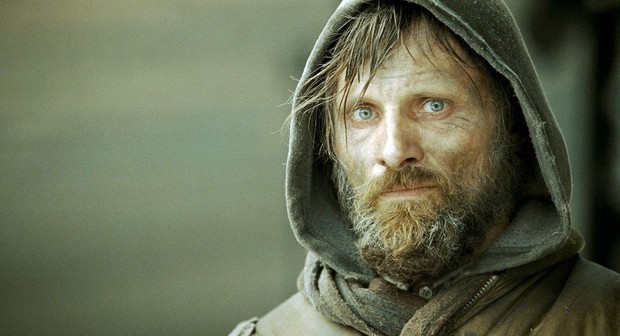
THE ROAD (2009)
For its stark, desolate portrayal of a post-collapse world, the overwhelming melancholic atmosphere, and the deeply intimate focus on carrying the “fire” of human connection through a dead landscape.
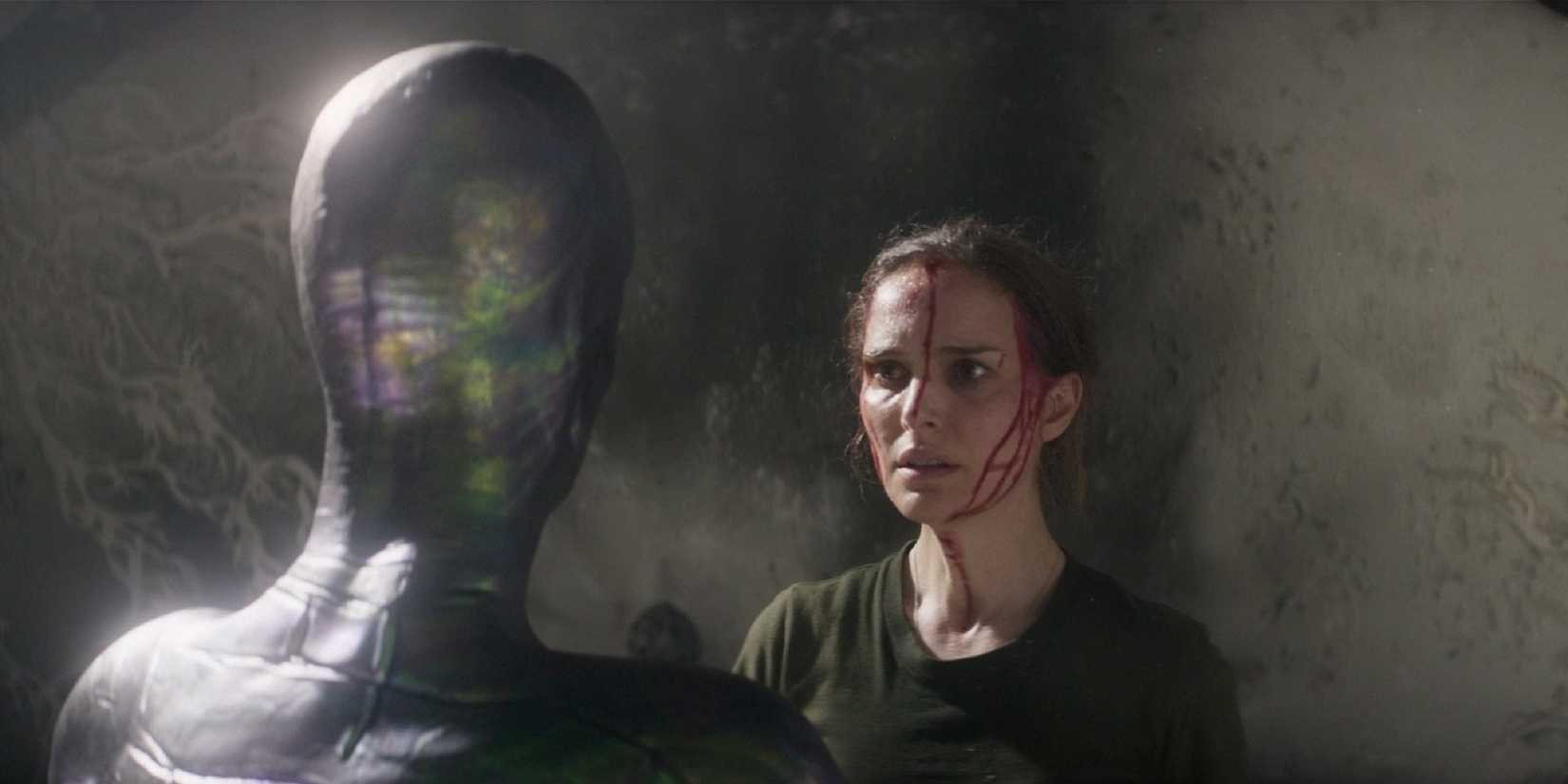
ANNIHILATION (2018)
For its beautiful, terrifying depiction of nature reclaiming the earth, and the profound, metaphysical transformation of the physical body as it melds with its environment.
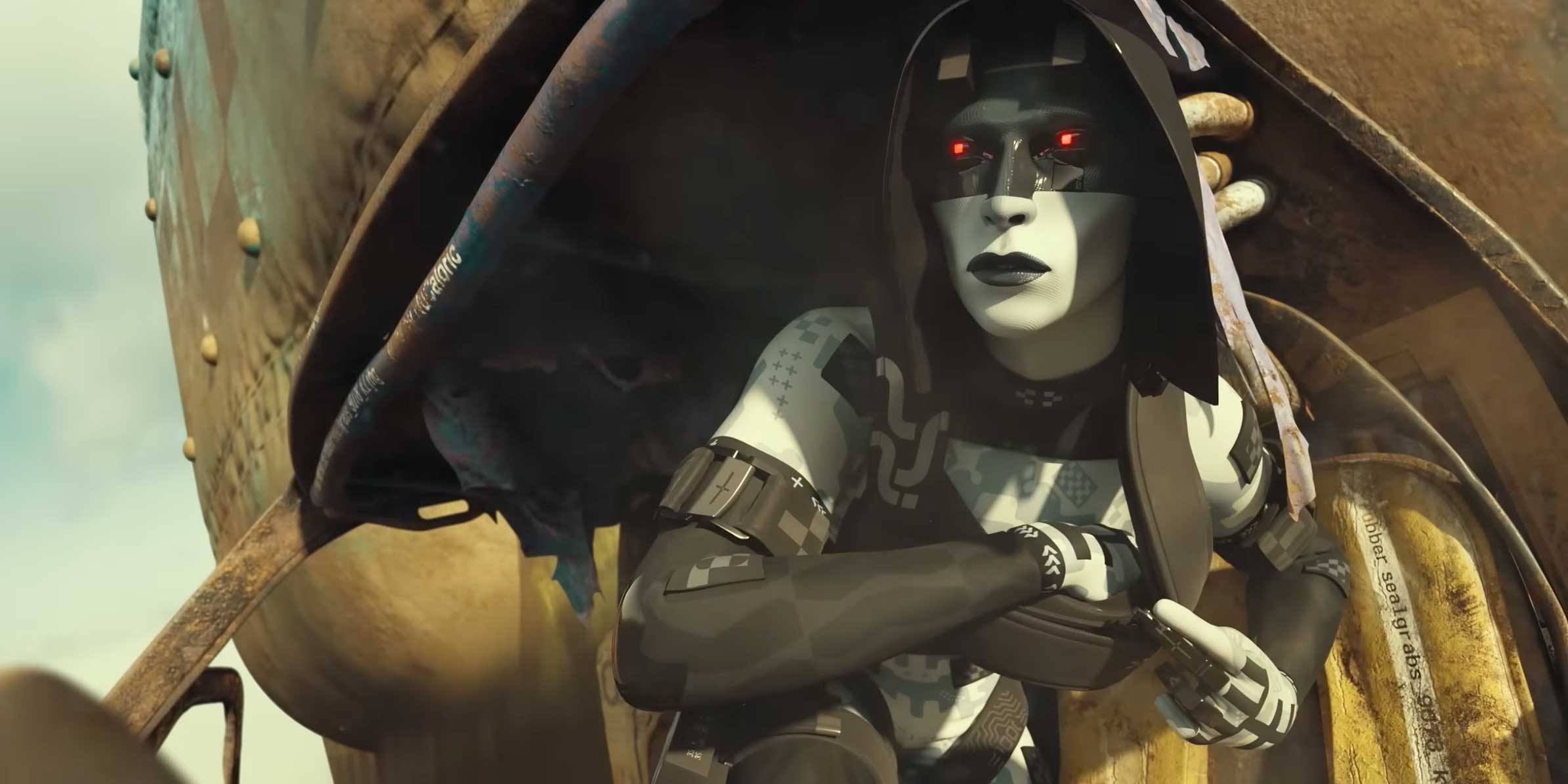
JIBARO / MARATHON
For the hyper-tactile sensory experience, breathtaking macro-textures, and the reliance on pure visual and auditory storytelling to convey intense, primal emotion without a single word of exposition.
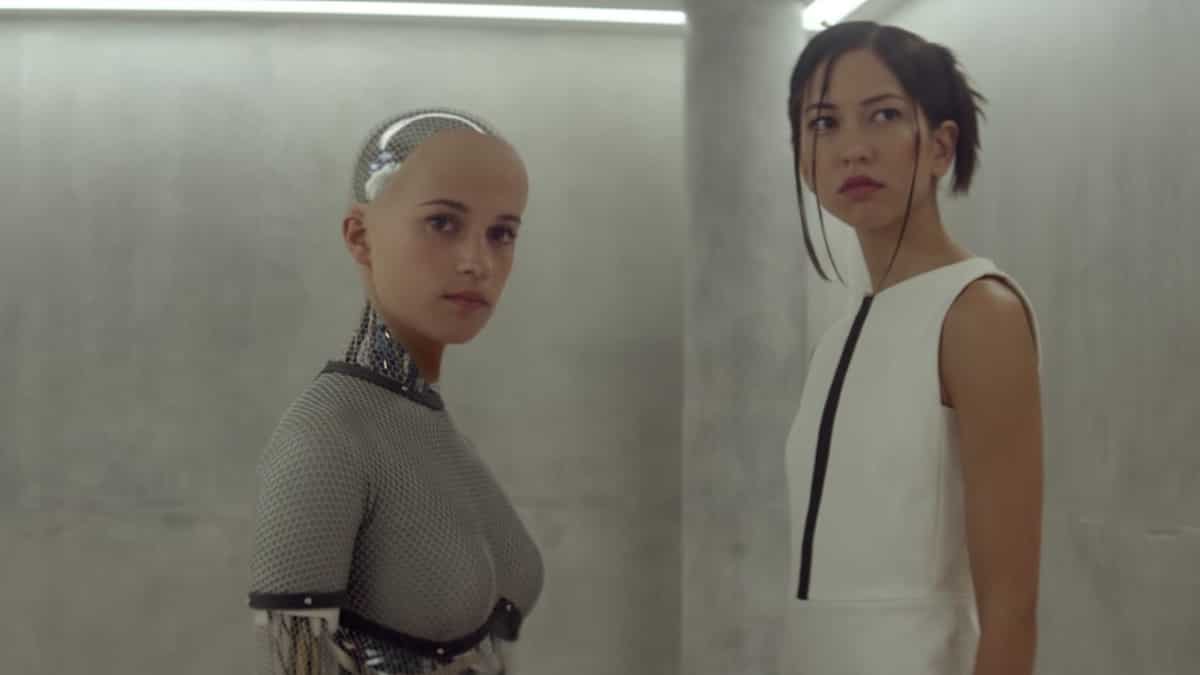
EX MACHINA (2014)
For its grounded, tactile approach to synthetic biology. The visual contrast between cold, sterile laboratory mechanics and the warmth of human skin.
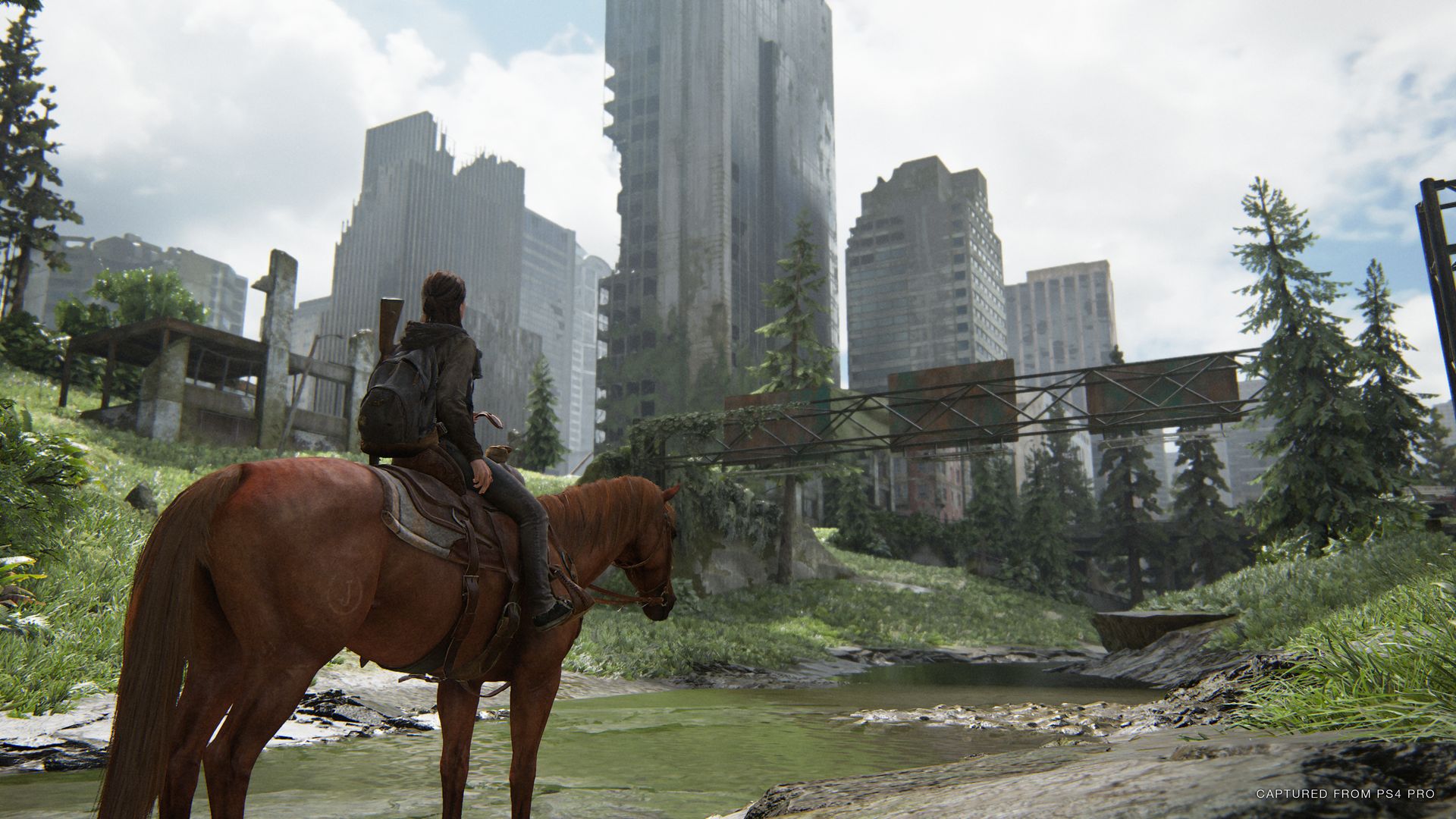
THE LAST OF US
For its environmental storytelling. The way abandoned rooms, old letters, and forgotten objects paint a vivid picture of the lives interrupted by the collapse.
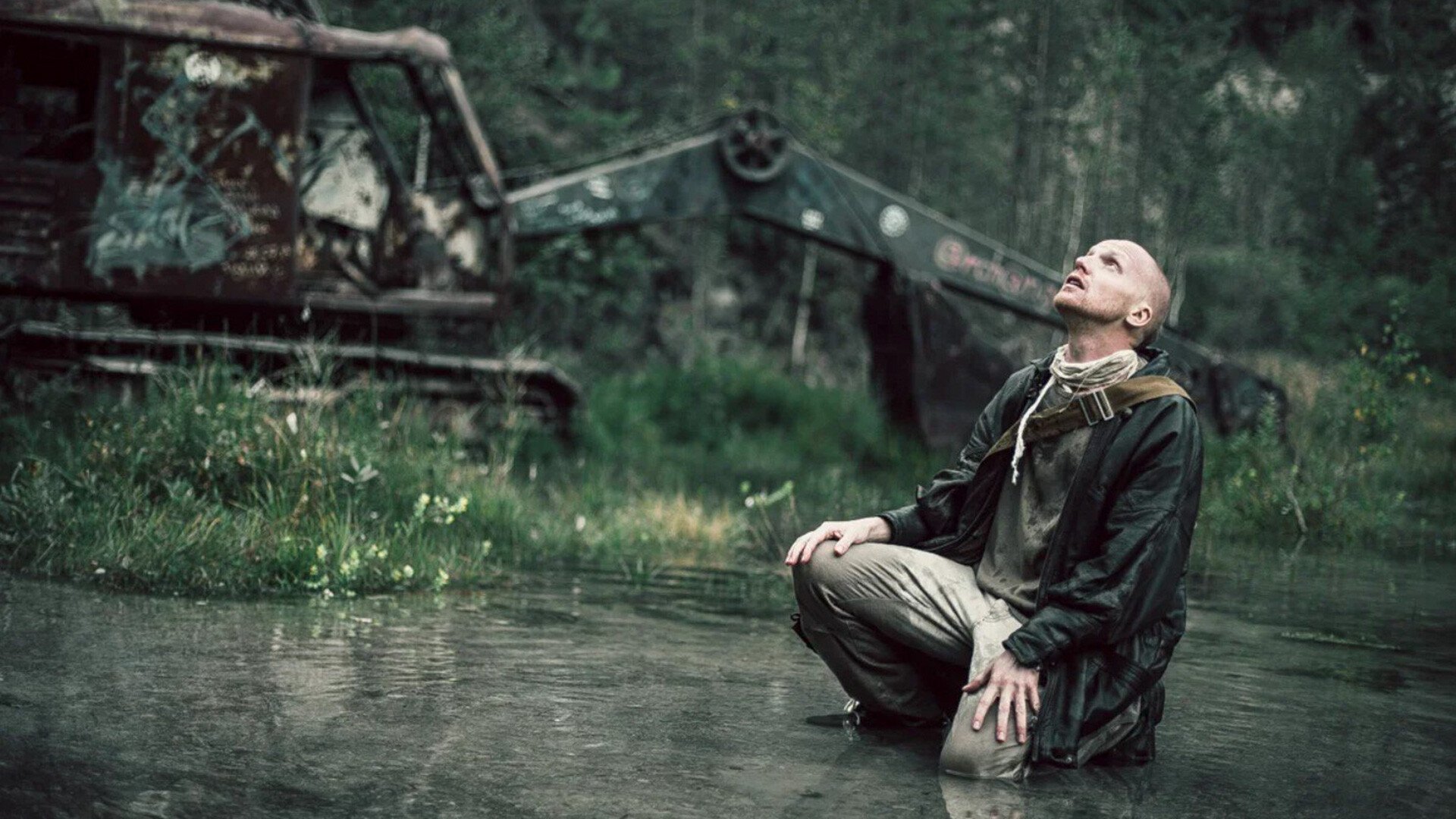
STALKER (1979)
For its deliberate pacing, poetic visual storytelling, and the haunting beauty of spaces where humanity has been slowly overwritten by time and nature.
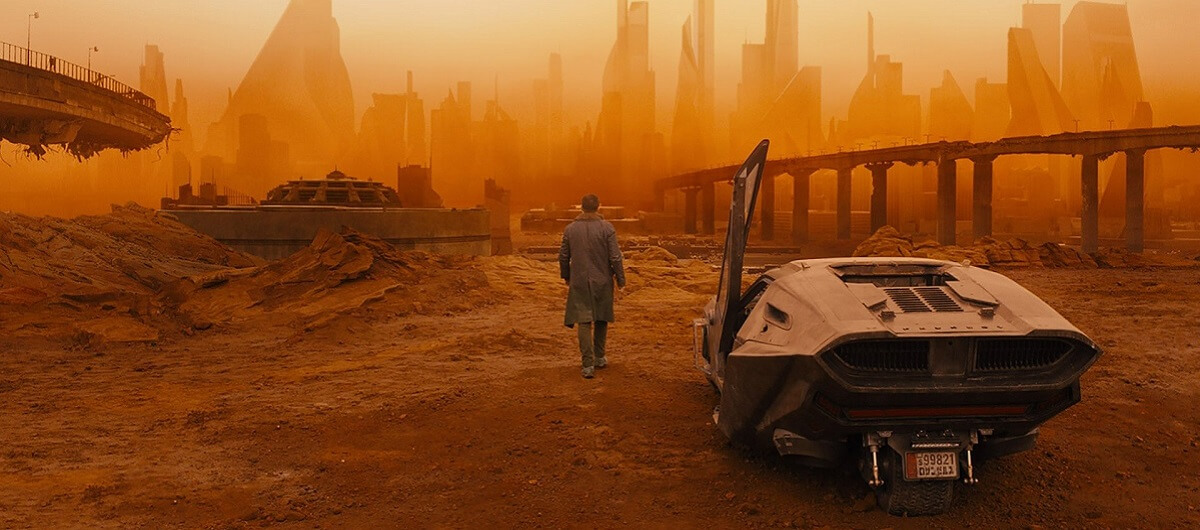
BLADE RUNNER 2049
For its masterful use of scale and silence. Framing a deeply intimate, personal search for a soul against the backdrop of massive, empty, melancholic cityscapes.
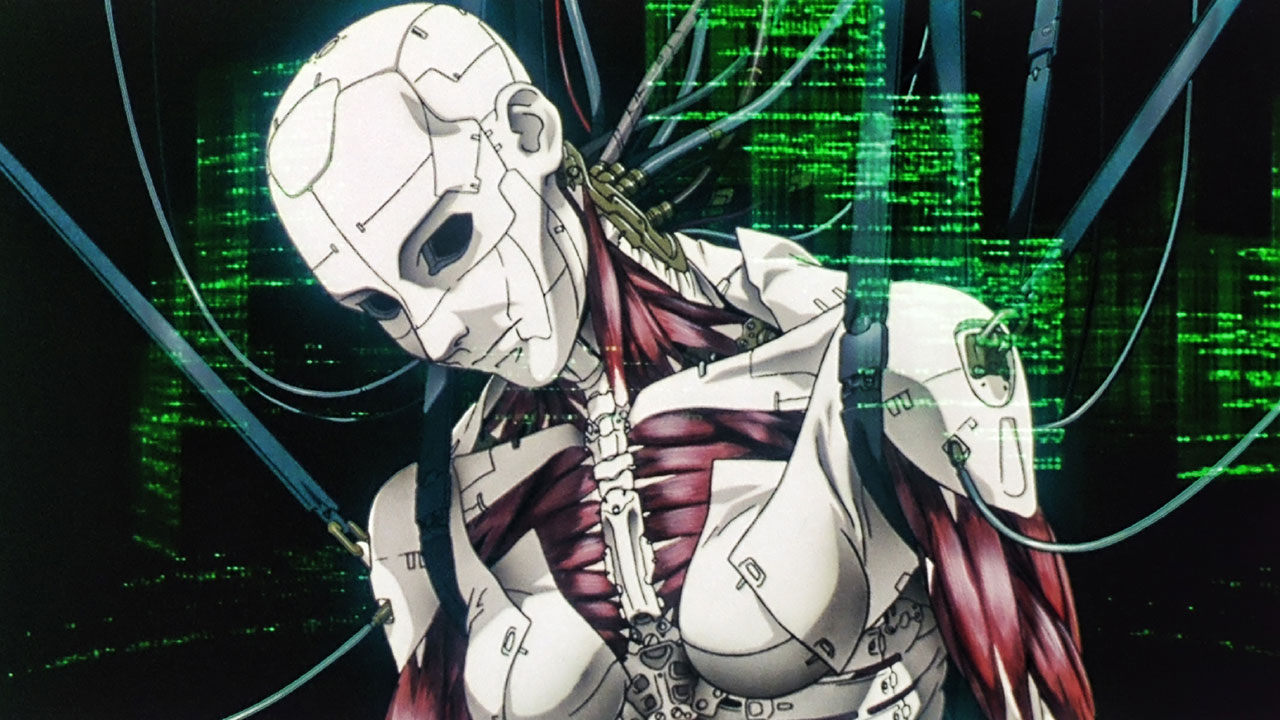
GHOST IN THE SHELL
For its existential exploration of consciousness, the philosophical line between a synthetic vessel and a human soul, and its moody, atmospheric pacing.
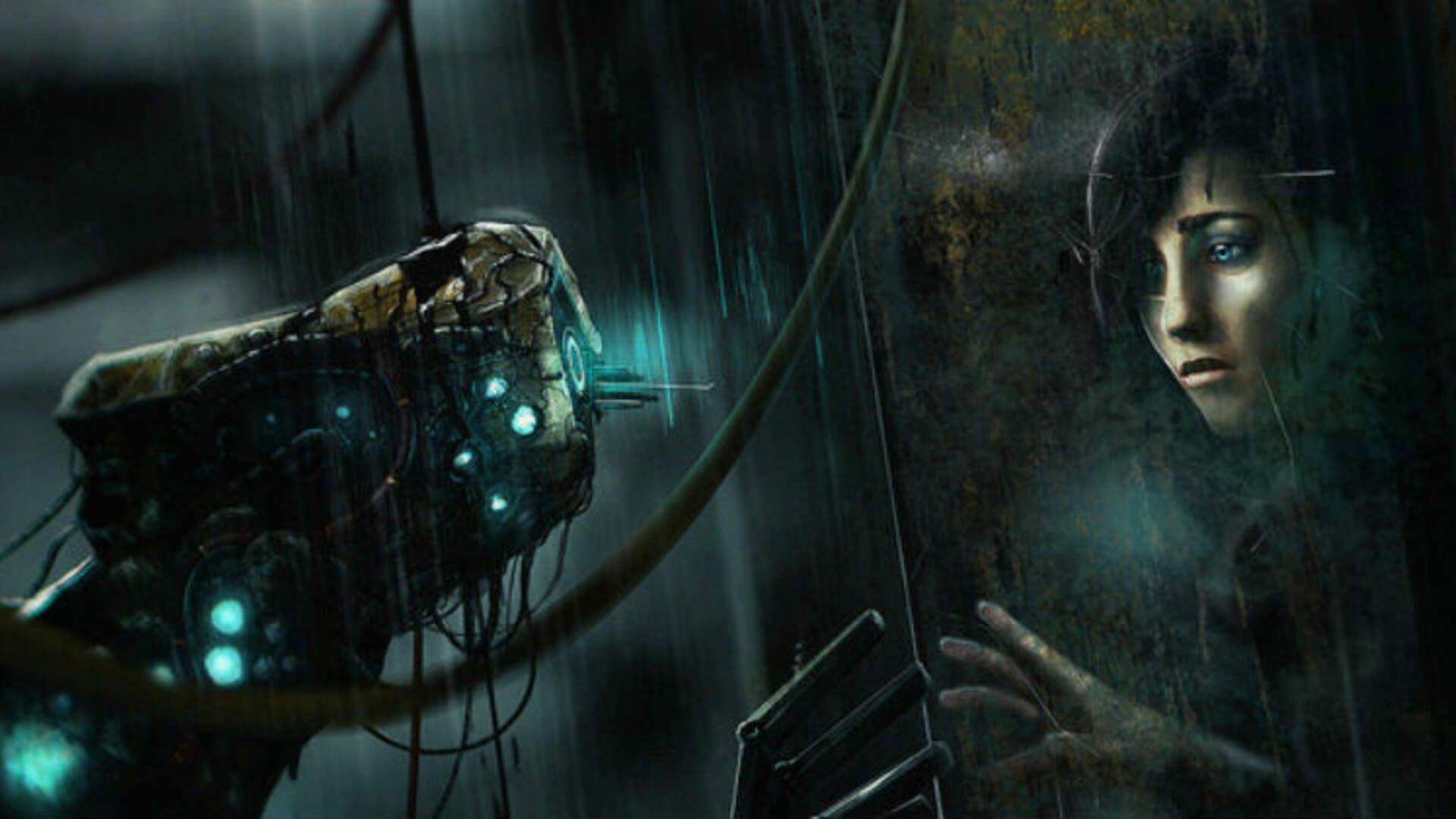
SOMA (Game)
For its profound questions regarding preserved consciousness, memory continuity, and the haunting reality of awakening as a machine in the ruins of civilization.
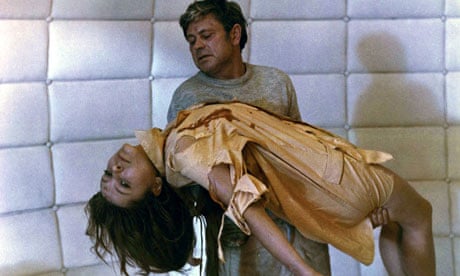
SOLARIS (1972)
For its focus on memory, grief, and the manifestation of past loves. A quiet, deeply emotional science-fiction narrative where technology is entirely secondary to human psychology.

THE MATRIX (1999)
For its visual motif of the “awakening” and the stark aesthetic contrast between cold, digital interfaces (the HUD) and the visceral, tactile reality of the physical body.
The Executive Verdict: Market & Investment
Exceptional Budget Scalability
This is a producer’s dream. Two main characters, minimal speaking roles, and isolated locations. By securing strong locations for the brutalist city and handling the synthetic-to-flesh VFX smartly (practical makeup enhanced by CGI), this can be shot on a highly efficient budget while looking like a massive studio series.
The Zeitgeist Factor
The cultural conversation is saturated with questions about Artificial Intelligence. Most projects lean into the fear of AI. Echo of Life flips that completely, presenting a melancholic, hopeful romance where the machine wants nothing more than to be human.
Market Comparables
There is a proven, subscriber-driving audience for visually elevated, philosophically dense sci-fi. Successful market comps include FX’s DEVS, Amazon’s TALES FROM THE LOOP, and Netflix’s MANIAC—shows that prioritize atmosphere, human connection, and high-end visual aesthetics over traditional action.
Why Now? – A World Starved for Connection
We are living, and often feeling completely alone, in a world where true connection is becoming more and more difficult.
I want to emphasize that we are more than memories and synthetic mass… we are complicated. Feelings and emotions often feel like a burden, but love and connection are vital to who and what we are. Echo of Life is built around a simple idea: Humanity is not defined by survival alone. Civilization failed. Technology failed. Systems failed. But emotional connection survived. That is the “echo.”
Why Me? – Director’s Continuity
Echo of Life is written and directed by Konstantinos Zacharakis. All six episode scripts are original works — developed as a complete, self-contained series bible with full narrative continuity across every episode. The series exists as a fully authored project, not a concept in search of a writer.
Echo of Life is not a departure from the themes I explored in my samurai short, Life in Every Breath — it is an expansion of them.
Life in Every Breath
Explored human existence while life is still present, focusing on intimacy within ordinary moments, quiet philosophical reflection, and appreciating life before it disappears. “How do we appreciate life while we are alive?”
Echo of Life
Takes those same emotional questions and externalizes them through science fiction on a larger cinematic scale. “What part of humanity is worth preserving after everything collapses?”
Both stories are fundamentally spiritually connected: they are about emotional survival, loneliness, memory, fragile human connection, finding meaning inside silence, and appreciating existence itself.
— Konstantinos Zacharakis
Ultimately, Echo of Life is not about robots becoming human.
It is about rediscovering meaning after collapse.
Production Log
> LOG STATUS: ACTIVE
> ENTRIES: NEWEST FIRST
> TRACKING: ANIMATICS / BLOCKOUTS / TESTS / RENDERS / CONCEPTS
Production Log — Initialized
Production log is live. This is where all WIP updates, animation passes, blockouts, test renders, and process documentation will be posted throughout development of Echo of Life. Entries newest-first.Consider this first draft completed for all episodes.