
Avatar: Fire and Ash – Spectacle Without Substance
I went into Avatar: Fire and Ash expecting to feel something, anything that would stay with me after the credits. Instead, I mostly felt like I was being walked through a very expensive sequence of events.
The film is undeniably polished. The environments are detailed, the scale is there, the production value is massive. But after a while, that stops mattering. You adjust to the spectacle, and what’s left is the experience itself and that’s where things start to feel thin.
What bothered me most is how little space there is for the viewer. Everything is laid out so clearly, so safely, that there’s no real participation. Emotions are signposted before they even have a chance to land. Moments that should unfold naturally are framed in a way that makes sure you “get it,” instead of letting you arrive there on your own. It creates this strange distance where you understand what’s happening, but you don’t really feel it.
There are sequences that look impressive on their own, but they don’t seem to build toward something meaningful. They come and go without changing much neither the characters nor the way you perceive them. It feels less like a progression and more like a series of set pieces stitched together. You watch them, acknowledge them, and move on.
The characters are also part of the issue. I never felt like I was watching people making difficult choices. It often feels like they’re just doing what the story requires in that moment. There’s very little friction, very little sense that something is at stake internally. Without that, it’s hard to stay engaged beyond a surface level.
And then there’s the overall tone. It rarely shifts in a way that creates impact. Big moments don’t hit as hard as they should because they’re not contrasted against something quieter or more restrained. Everything sits in the same emotional range, so even when the film tries to escalate, it doesn’t feel like a real change, it just feels louder.
The closest comparison I can make is that it feels like a really well-designed ride. While you’re on it, it’s engaging, it moves fast, it keeps you occupied. But the moment it ends, there’s nothing to hold onto. No residue. No aftertaste. You step off and you’re already detached from it.
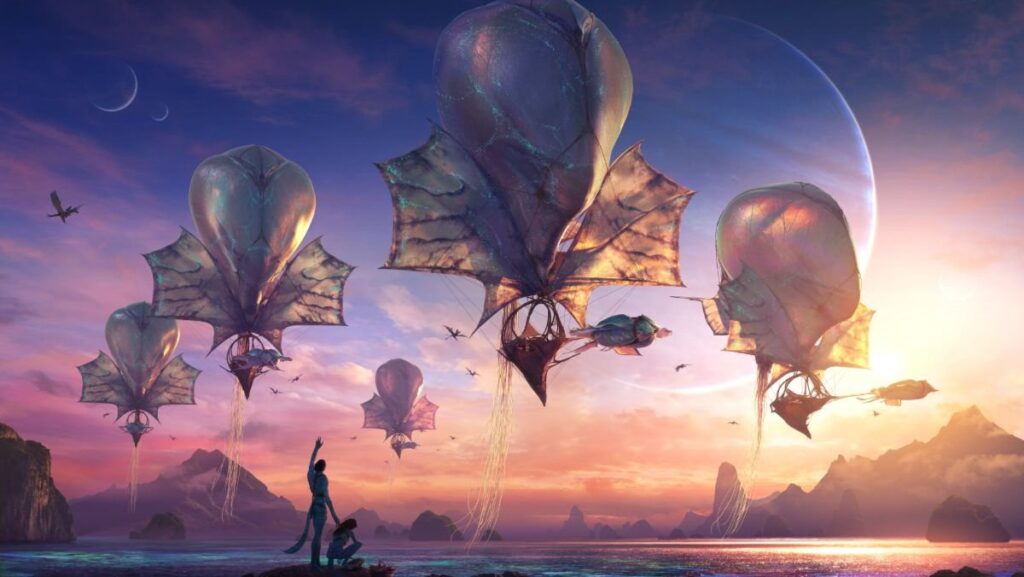
In that sense, it feels like fast food cinema. It’s engineered to be immediately satisfying, easy to consume, visually appealing, accessible to everyone but it doesn’t nourish you in any meaningful way. You’re full for a moment, but there’s no depth to it, nothing that lingers, nothing that makes you reflect or revisit it later. It’s built for instant consumption, not lasting impact.
What surprised me is how quickly the film fades from memory. While watching it, I kept waiting for a moment a shot, a feeling, something that would stick. Something that would make me think about it later. But nothing really did. Once it was over, it just kind of disappeared.
It’s not that the film is incompetent. It’s actually very controlled. But that control feels more like caution than intention. It never really takes a risk, never puts the viewer in a position where they have to lean in, question something, or feel unsettled.
In the end, it feels like a film that’s been designed to work for everyone, and because of that, it doesn’t fully connect with anyone. It delivers everything you need to follow the story, but very little that makes the experience linger.
As a filmmaker and director working primarily in animation, I’m deeply interested in how films create lasting emotional experiences, not just how they present a story, but how they make an audience feel, think, and remember. My focus is on crafting moments that stay with the viewer, where meaning emerges through behaviour, visual storytelling, and carefully constructed sequences rather than explanation. I’m particularly drawn to directing that respects the audience’s perception and invites them to actively engage with what they’re watching.
Animation, to me, isn’t just about bringing things to life, it’s about shaping an experience that feels real, even when everything on screen is imagined. That’s the kind of cinema I want to make.